

 Mon-Fri 9AM to 8PM (AEST)
Electricity Default Market Offer Changes 2024
Australia, watch for the upcoming changes to electricity market offers for 2024. These changes…





*CheapBills does not compare all brands in the market. We partner with preferred providers and compare a selection of their products.
Compare Bills
Save Money
Switch with CheapBills
Move House
Do you want cheaper health insurance? You could save money with our online comparison.

We have made a promise to Australian families to cut the cost of their health insurance so
they can spend money where they need it the most.
We Make It Hassle-Free Process to Find
You the Best Insurance Deal to Save
You Time and Money.
CheapBills Has Access to Different Plans
from the Leading Retailers to Find You the Perfect Insurance Policy for You and Your Situation.
We Work with You Throughout the Process of Applying for Insurance and Provide You with Support and Assistance Along the Way.

We understand that life can be hectic, so we make it really easy for you to look for a new insurance policy. Whether you’re looking to find a better policy or renew your quote, we do the hard work with our 100% free service. All you have to do is relax and enjoy your savings.
Our team of experts are waiting to help you find the best deal on your insurance!

Here are some common questions for customers wanting to switch health insurance providers and save.
The choice to take out Private Health Insurance is a personal one. In Australia, Medicare covers the bulk of your medical needs, so if you don’t have a specific health concern, you could choose to forego private insurance.
However, there are things that are not covered by Medicare, such as physiotherapy, dental, optical and outpatient treatments, that could leave you tens of thousands of dollars out of pocket, so many people choose private health insurance for peace of mind.
In addition, private health insurance allows you to be treated as a private patient in a hospital, which can mean quicker access to certain services and your choice of doctor.
If you do not have Private Health Insurance, you will have to pay the Medicare Levy, so often it is beneficial to take out a basic policy to avoid this extra tax.
If you have a Private Health Insurance policy that provides hospital cover, extras cover, or both and your income is below a certain limit then you will receive the rebate.
Your Private Health Insurance rebate will be paid as either lower premiums from your chosen provider or as an offset in your annual tax return.
Lifetime Health Cover is a government initiative to help you avoid paying higher premiums when you get older. If you take out hospital cover before you turn 31, then you will avoid paying a surcharge on your premiums for the first 10 years of your cover.
Hospital cover can cover you for a range of hospital services including accommodation, theatre and the ‘gap’ for doctors or specialists that are more than the Medicare Benefit Schedule.
The exact services that are covered depends on your provider and the tier of cover you choose. Some common exclusions are heart surgery, knee and hip replacements, cataract surgery and pregnancy and birth-related services. If you need any of these services you might need to upgrade your cover to a higher tier.
Extras cover helps with the cost of general treatment, including dental treatment, physiotherapy, chiropractic treatment, home nursing, orthodontics, speech therapy, massage and glasses and contact lenses.
The exact services that are covered depends on your provider and the tier of cover you choose.
The level of cover you need depends on you and your family’s unique set of needs. It’s important to carefully read the inclusions and exclusions of both the hospital and extras cover for your policy before you sign up.
You will probably need different levels of cover at different stages of your life, so make sure you compare your private health insurance every 12 months to make sure you still have the best option to suit your needs.
We have helped over 100,000 families to save money on their bills. We also have 5-star reviews from our customers. CheapBills has been established as an online comparison website since 2013.
However, our parent company, Integral Resource Group has been servicing Australian customers since 2011. We are based at Level 2, 134 Flinders Street, Melbourne VIC 3000. Any information you share with us is kept secure and only shared with the retailer you are comfortable to switch to. You can read more about this in our privacy policy.
CheapBills works with some of Australia’s leading private health insurance providers to find you the best deal. If you decide to make the switch, we will receive a commission from your new provider. This means we can offer you the lowest prices, with no markup, to maximise your savings.
If you change your mind it’s okay, your new provider will give you a ten-day ‘cooling-off’ period, which means you have ten days to change your mind and go back to your old supplier.
CheapBills is an online comparison company with a passion for saving you money on those big bills. By comparing the prices of our panel of suppliers we find you the cheapest energy deals, free of charge.
We make it easy for you to switch energy providers because we do all the work for you. We compare leading suppliers to find you the best deal, with no interruption to your services since the company who owns your poles, wires and pipes won’t be changing.
Depending on where you are in your billing cycle, it can take up to three months to switch retailers once you decide on your new provider. A meter reading will be taken so one final bill from your previous provider can be issued and this will be used for your new supplier as well. Don’t worry, your new energy supplier won’t charge you until the switch is complete.
To get started, complete the online form and one of our staff members will be in touch to follow up on your enquiry. They’ll start by discussing your needs and comparing your current bill with leading competitors. You can then make the decision if you want to switch providers.
CheapBills is an Australian owned and run company that has helped over 100,000 families save money on their utility bills. We have been established as an online comparison website since 2013 and our mother company, Integral Resource Group, has been servicing Australian companies since 2011. Any private information you share with us is only shared with your chosen providers. We have a 4.5-star rating based on customer reviews and can help you save your hard-earned money!
No you won’t need to change your poles or pipes – CheapBills help you change your retailer or provider. All poles, wiring, metres, meter readers and any power outages are looked after by a distributor, which are determined by your address and not controlled by retailers, so you don’t have to worry about any service interruptions either.
There isn’t a right or wrong time to switch providers, however rising prices, moving house or expiring contracts can be a good reason to start looking into your energy retailer. It’s always worth comparing your bills to see where you can save your money.
Once you decide you’d like to switch providers you should contact your current retailer to see if you are going to incur any charges, fees or fines, this usually only happens if you’re on a contract. If you’re on a contract we recommend waiting until term period is up to make your switch, to avoid fees.
If you change your mind it’s okay, your new provider will give you a ten-day ‘cooling-off’ period, which means you have ten days to change your mind and go back to your old supplier.
How does it work? Explained in 5 easy steps.
1. To get started, complete our online form and a staff member will be in touch with you to discuss your needs, budget and compare your current bills.
2. You make the decision to switch providers and our staff will do the rest for you – 100% free of charge.
3. When you switch to a new provider there is a ten-day ‘cooling-off’ period in case you change your mind. Your new provider will not start the process of switching services until those ten days are up.
4. You will receive a Welcome Pack which will include: your new contract and Policy Disclosure Statement, Terms and Conditions, a Bank Mandate and information about how to manage your claims.
5. Relax and get ready to start saving!
Here are some common questions for customers wanting to switch energy providers and save on bills.
CheapBills is an online comparison company with a passion for saving you money on those big bills. By comparing the prices of our panel of suppliers we find you the cheapest energy deals, free of charge.
We make it easy for you to switch energy providers because we do all the work for you. We compare leading suppliers to find you the best deal, with no interruption to your services since the company who owns your poles, wires and pipes won’t be changing.
Depending on where you are in your billing cycle, it can take up to three months to switch retailers once you decide on your new provider. A meter reading will be taken so one final bill from your previous provider can be issued and this will be used for your new supplier as well. Don’t worry, your new energy supplier won’t charge you until the switch is complete.
To get started, complete the online form and one of our staff members will be in touch to follow up on your enquiry. They’ll start by discussing your needs and comparing your current bill with leading competitors. You can then make the decision if you want to switch providers.
CheapBills is an Australian owned and run company that has helped over 100,000 families save money on their utility bills. We have been established as an online comparison website since 2013 and our mother company, Integral Resource Group, has been servicing Australian companies since 2011. Any private information you share with us is only shared with your chosen providers. We have a 4.5-star rating based on customer reviews and can help you save your hard-earned money!
No you won’t need to change your poles or pipes – CheapBills help you change your retailer or provider. All poles, wiring, metres, meter readers and any power outages are looked after by a distributor, which are determined by your address and not controlled by retailers, so you don’t have to worry about any service interruptions either.
There isn’t a right or wrong time to switch providers, however rising prices, moving house or expiring contracts can be a good reason to start looking into your energy retailer. It’s always worth comparing your bills to see where you can save your money.
Once you decide you’d like to switch providers you should contact your current retailer to see if you are going to incur any charges, fees or fines, this usually only happens if you’re on a contract. If you’re on a contract we recommend waiting until term period is up to make your switch, to avoid fees.
If you change your mind it’s okay, your new provider will give you a ten-day ‘cooling-off’ period, which means you have ten days to change your mind and go back to your old supplier.
CheapBills is an online comparison company with a passion for saving you money on those big bills. By comparing the prices of our panel of suppliers we find you the cheapest energy deals, free of charge.
We make it easy for you to switch energy providers because we do all the work for you. We compare leading suppliers to find you the best deal, with no interruption to your services since the company who owns your poles, wires and pipes won’t be changing.
Depending on where you are in your billing cycle, it can take up to three months to switch retailers once you decide on your new provider. A meter reading will be taken so one final bill from your previous provider can be issued and this will be used for your new supplier as well. Don’t worry, your new energy supplier won’t charge you until the switch is complete.
To get started, complete the online form and one of our staff members will be in touch to follow up on your enquiry. They’ll start by discussing your needs and comparing your current bill with leading competitors. You can then make the decision if you want to switch providers.
CheapBills is an Australian owned and run company that has helped over 100,000 families save money on their utility bills. We have been established as an online comparison website since 2013 and our mother company, Integral Resource Group, has been servicing Australian companies since 2011. Any private information you share with us is only shared with your chosen providers. We have a 4.5-star rating based on customer reviews and can help you save your hard-earned money!
No you won’t need to change your poles or pipes – CheapBills help you change your retailer or provider. All poles, wiring, metres, meter readers and any power outages are looked after by a distributor, which are determined by your address and not controlled by retailers, so you don’t have to worry about any service interruptions either.
There isn’t a right or wrong time to switch providers, however rising prices, moving house or expiring contracts can be a good reason to start looking into your energy retailer. It’s always worth comparing your bills to see where you can save your money.
Once you decide you’d like to switch providers you should contact your current retailer to see if you are going to incur any charges, fees or fines, this usually only happens if you’re on a contract. If you’re on a contract we recommend waiting until term period is up to make your switch, to avoid fees.
If you change your mind it’s okay, your new provider will give you a ten-day ‘cooling-off’ period, which means you have ten days to change your mind and go back to your old supplier.
Since the deregulation of much of Australia’s energy, households and businesses are now free to choose their own providers and compare suppliers. There are so many providers it can be confusing and hard to decide which one is the best choice, that’s where CheapBills comes in – we help you find the best prices from leading retailers to help you make the right choice.
This depends on your tariff and provider. The Electricity Flat Rate tariff gives you a flat rate, which means you pay the same price at any time of the day. The Time of Use tariff is when your energy is charged based on the time of the day that you’re using it, with peak times attracting a higher cost. The Controlled Load tariff links directly to appliances that are used seasonally, such as a pool pump, which would have its own meter to control costs. CheapBills staff can discuss this further and help you find the best option for you.
Our staff can help you with any queries you have with charges and pricing, however for detailed information about your charges, you are better off discussing with your new chosen supplier.
This depends on your tariff and provider. The Electricity Flat Rate tariff gives you a flat rate, which means you pay the same price at any time of the day. The Time of Use tariff is when your energy is charged based on the time of the day that you’re using it, with peak times attracting a higher cost. The Controlled Load tariff links directly to appliances that are used seasonally, such as a pool pump, which would have its own meter to control costs. CheapBills staff can discuss this further and help you find the best option for you.
Our staff can help you with any queries you have with charges and pricing, however for detailed information about your charges, you are better off discussing with your new chosen supplier.
How does it work? Explained in 6 easy steps.
1. To get started, complete our online form and a staff member will be in touch with you to discuss your needs, budget and compare your current bills.
2. You make the decision to switch providers and our staff will do the rest for you – 100% free of charge.
3. When you switch to a new provider there is a ten-day ‘cooling-off’ period in case you change your mind. Your new retailer will not start the process of switching services until those ten days are up.
4. An accurate meter reading will be taken so your old provider can send off any final bills you may have and so your new supplier can start the switch – don’t stress, there is no outage or disconnection of your services at any time.
5. You will receive a Welcome Pack which will include: your new contract, Terms and Conditions, details of your new plan, a Disclosure statement, a Bank Mandate and a Concession Form for residential customers.
6. Relax and get ready to start saving!
Maybe. It depends on your circumstances and what you want from your insurance. You should take time to read through our health insurance information and consider your own personal circumstances before deciding.
Of course, having peace of mind is always an added benefit when it comes to your health, knowing that should you become ill or need any remedial treatment, that you would be entitled to some additional extras.
An excess is a single payment that you make directly to the hospital if you are admitted, whether as a day patient or longer stay. The amount can vary, but generally, the more excess you pay, the less the cost of your policy is overall.
Some insurance companies may charge an excess per in-patient stay, whilst others have an annual cap. Some also charge an excess if you call an ambulance.
A co-payment is an additional amount that you pay as an in-patient, but it is calculated on a daily basis. For example, you may pay between $50 and $250 per day for staying in hospital. You should check with your health fund to make sure that your policy does not include both co-payments and an excess as this would make a hospital stay expensive. It may also be worthwhile seeing whether a co-payment or an excess option is more financially beneficial to you, especially if the annual amount is capped.
Most states and territories will charge you if you call an ambulance and require treatment. This is because they are not covered by Medicare. However, if you are a concession holder you may be entitled to a discount or a free service.
Maybe. Every time you call an ambulance you will be charged a “call-out” fee even if a paramedic treats you and you don’t need to attend hospital. If you need to go to hospital, you will be charged an additional amount. It is best to check with your health fund to see if just one or both portions are covered.
Since the fees and charges vary per state, you will need to check with your health fund to see if you are covered for ambulance call outs if you are in a different state or territory from the one you live in. For example, if you live in New South Wales and need an ambulance whilst on holiday in Queensland, you may not be covered.
One would expect that an “emergency” situation is classified as a life-threatening injury or condition. However, it depends on the individual health fund and what their definition is, so it’s best to check with the provider to see what you would be covered for.
It will be written in your policy whether you are covered for private ambulances, transport and air ambulance. This may vary from policy to policy.
If you have hospital cover on your policy, you will be treated as a private patient which means all or most of your costs will be paid for. This includes, your accommodation whilst in hospital, any treatment you have (including operations or procedures), any medication you receive. 75% of this is covered by the Medicare Benefits Schedule, whilst the remaining 25% is covered by your health fund.
If you have hospital cover on your policy you can typically choose your hospital as long as it is a hospital affiliated with your chosen health insurance provider. You can also choose your doctor and it will not affect your fee coverage. This does vary between insurers and their variety of affiliated hospitals - with your coverage depending on your policy.
This gives you additional “extras” that are not covered by Medicare. For example, they may include dental, podiatry, chiropractic, optical or physiotherapy. The number of extras you are entitled to will depend on the level of cover you receive and are usually set at annual or lifetime limits.
A waiting period is the length of time you must wait until you are able to use a particular service on your health fund. For example, some policies state that you must wait 12 months before using any pregnancy benefits, whilst others say you must have your policy for 2 months before using any physiotherapy benefits.
Each health insurance provider will have their own set waiting periods and some may even transfer any waiting time served from your current policy to your new one. However, if you are upgrading your policy, you will have to wait until you have served the waiting period for the additional services.
If you do not have private health insurance and you are earning over a certain amount, you may have to pay the Medicare Levy Surcharge. This is a percentage of your taxable income that goes towards providing the Medicare service.
If you are unsure or need more advice on this, you should contact the Australian Tax Office or consult your own financial advisor.
There are so many different providers and policies so it is hard to give a figure for a monthly cost. Call us on 1300 786 045 or complete the online comparison for now.

Not only are we experts in comparing health insurance, we also help people compare energy deals, find better broadband plans and even help them move home. Our staff will help you to make the process much easier for you. Just call us.
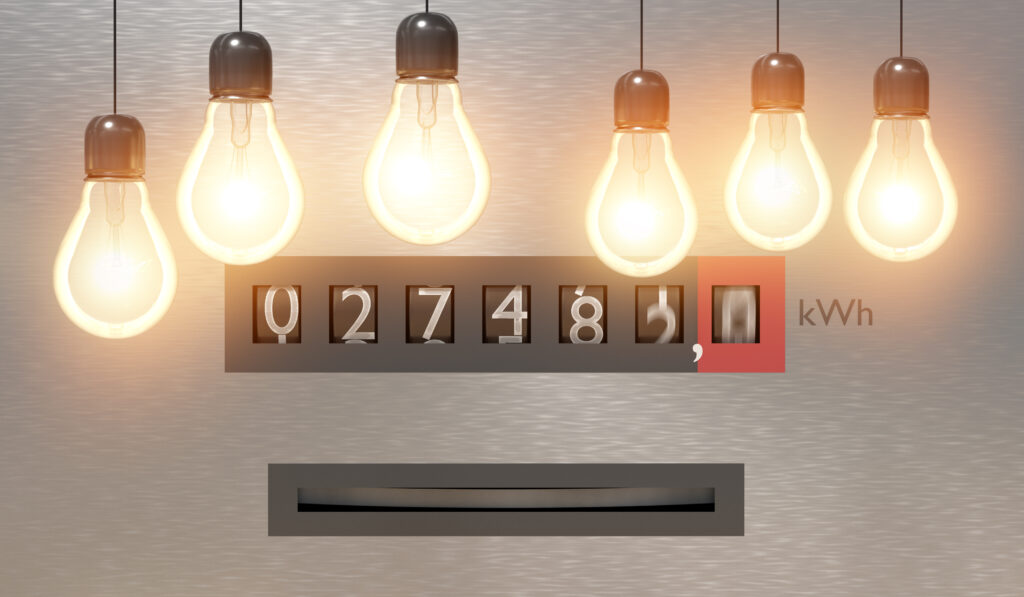
Australia, watch for the upcoming changes to electricity market offers for 2024. These changes…

Finding the best energy retailer in Australia for any particular area can feel like…

Tier 1 energy providers are Australia’s largest energy retailers. Although there are only three…

ABN: 66 168 166 667
Cheapbills
Finance
Broadband
Important
Connect With Us
© 2023 All Rights Reserved by CheapBills.com.au