

 Mon-Fri 9AM to 8PM (AEST)
Electricity Default Market Offer Changes 2024
Australia, watch for the upcoming changes to electricity market offers for 2024. These changes affect the Default Market Offer…


*CheapBills does not compare home loans from all brands in the market. We partner with preferred providers and compare a selection of their products.
Compare Home Loans
Save Money
Switch with CheapBills
Move House

CheapBills wants to save you money on your home loan so that you can spend your money on the things you want to. Our passionate team is dedicated to cutting the cost of your mortgage repayments.
We Use the Latest Technology to Match Lenders and Borrowers.
We Examine Your Individual Lending Needs to Find the Perfect Loan for You and Your Situation.
We Work with You Through the Process of Applying and Give You Support Along the Way.
CheapBills compares rates from the major lenders to assist you in getting online approval. Through our partnership with AFG, we compare thousands of products from over 200 brands, across more than 30 different categories, including home loans, personal loans, credit, refinance and much more. Call us today to talk about your options.


It only takes 5 minutes to compare home loan rates, but it could be lead to a big saving! Find out if you can save money on your home loan by clicking below.
Compare your bills for free
No Hidden Fees
Highly Trusted by Customers
4.5 Stars Based on Customer Reviews
Helping Australians save $
Hassle-free
With over 1,000 products from more than 200 brands to compare we can provide a hassle-free quote to suit your circumstances.
Here are some common questions for customers wanting to switch energy providers and save on bills.
CheapBills is an online comparison company with a passion for saving you money on those big bills. By comparing the prices of our panel of suppliers we find you the cheapest energy deals, free of charge.
We make it easy for you to switch energy providers because we do all the work for you. We compare leading suppliers to find you the best deal, with no interruption to your services since the company who owns your poles, wires and pipes won’t be changing.
Depending on where you are in your billing cycle, it can take up to three months to switch retailers once you decide on your new provider. A meter reading will be taken so one final bill from your previous provider can be issued and this will be used for your new supplier as well. Don’t worry, your new energy supplier won’t charge you until the switch is complete.
To get started, complete the online form and one of our staff members will be in touch to follow up on your enquiry. They’ll start by discussing your needs and comparing your current bill with leading competitors. You can then make the decision if you want to switch providers.
CheapBills is an Australian owned and run company that has helped over 100,000 families save money on their utility bills. We have been established as an online comparison website since 2013 and our mother company, Integral Resource Group, has been servicing Australian companies since 2011. Any private information you share with us is only shared with your chosen providers. We have a 4.5-star rating based on customer reviews and can help you save your hard-earned money!
No you won’t need to change your poles or pipes – CheapBills help you change your retailer or provider. All poles, wiring, metres, meter readers and any power outages are looked after by a distributor, which are determined by your address and not controlled by retailers, so you don’t have to worry about any service interruptions either.
There isn’t a right or wrong time to switch providers, however rising prices, moving house or expiring contracts can be a good reason to start looking into your energy retailer. It’s always worth comparing your bills to see where you can save your money.
Once you decide you’d like to switch providers you should contact your current retailer to see if you are going to incur any charges, fees or fines, this usually only happens if you’re on a contract. If you’re on a contract we recommend waiting until term period is up to make your switch, to avoid fees.
If you change your mind it’s okay, your new provider will give you a ten-day ‘cooling-off’ period, which means you have ten days to change your mind and go back to your old supplier.
CheapBills is an online comparison company with a passion for saving you money on those big bills. By comparing the prices of our panel of suppliers we find you the cheapest energy deals, free of charge.
We make it easy for you to switch energy providers because we do all the work for you. We compare leading suppliers to find you the best deal, with no interruption to your services since the company who owns your poles, wires and pipes won’t be changing.
Depending on where you are in your billing cycle, it can take up to three months to switch retailers once you decide on your new provider. A meter reading will be taken so one final bill from your previous provider can be issued and this will be used for your new supplier as well. Don’t worry, your new energy supplier won’t charge you until the switch is complete.
To get started, complete the online form and one of our staff members will be in touch to follow up on your enquiry. They’ll start by discussing your needs and comparing your current bill with leading competitors. You can then make the decision if you want to switch providers.
CheapBills is an Australian owned and run company that has helped over 100,000 families save money on their utility bills. We have been established as an online comparison website since 2013 and our mother company, Integral Resource Group, has been servicing Australian companies since 2011. Any private information you share with us is only shared with your chosen providers. We have a 4.5-star rating based on customer reviews and can help you save your hard-earned money!
No you won’t need to change your poles or pipes – CheapBills help you change your retailer or provider. All poles, wiring, metres, meter readers and any power outages are looked after by a distributor, which are determined by your address and not controlled by retailers, so you don’t have to worry about any service interruptions either.
There isn’t a right or wrong time to switch providers, however rising prices, moving house or expiring contracts can be a good reason to start looking into your energy retailer. It’s always worth comparing your bills to see where you can save your money.
Once you decide you’d like to switch providers you should contact your current retailer to see if you are going to incur any charges, fees or fines, this usually only happens if you’re on a contract. If you’re on a contract we recommend waiting until term period is up to make your switch, to avoid fees.
If you change your mind it’s okay, your new provider will give you a ten-day ‘cooling-off’ period, which means you have ten days to change your mind and go back to your old supplier.
Since the deregulation of much of Australia’s energy, households and businesses are now free to choose their own providers and compare suppliers. There are so many providers it can be confusing and hard to decide which one is the best choice, that’s where CheapBills comes in – we help you find the best prices from leading retailers to help you make the right choice.
This depends on your tariff and provider. The Electricity Flat Rate tariff gives you a flat rate, which means you pay the same price at any time of the day. The Time of Use tariff is when your energy is charged based on the time of the day that you’re using it, with peak times attracting a higher cost. The Controlled Load tariff links directly to appliances that are used seasonally, such as a pool pump, which would have its own meter to control costs. CheapBills staff can discuss this further and help you find the best option for you.
Our staff can help you with any queries you have with charges and pricing, however for detailed information about your charges, you are better off discussing with your new chosen supplier.
This depends on your tariff and provider. The Electricity Flat Rate tariff gives you a flat rate, which means you pay the same price at any time of the day. The Time of Use tariff is when your energy is charged based on the time of the day that you’re using it, with peak times attracting a higher cost. The Controlled Load tariff links directly to appliances that are used seasonally, such as a pool pump, which would have its own meter to control costs. CheapBills staff can discuss this further and help you find the best option for you.
Our staff can help you with any queries you have with charges and pricing, however for detailed information about your charges, you are better off discussing with your new chosen supplier.
How does it work? Explained in 6 easy steps.
1. To get started, complete our online form and a staff member will be in touch with you to discuss your needs, budget and compare your current bills.
2. You make the decision to switch providers and our staff will do the rest for you – 100% free of charge.
3. When you switch to a new provider there is a ten-day ‘cooling-off’ period in case you change your mind. Your new retailer will not start the process of switching services until those ten days are up.
4. An accurate meter reading will be taken so your old provider can send off any final bills you may have and so your new supplier can start the switch – don’t stress, there is no outage or disconnection of your services at any time.
5. You will receive a Welcome Pack which will include: your new contract, Terms and Conditions, details of your new plan, a Disclosure statement, a Bank Mandate and a Concession Form for residential customers.
6. Relax and get ready to start saving!
How much money you can borrow for a home loan depends on a few different factors. The first major factor is your employment status and income, basically the more you earn (and your partner if it’s a joint loan) the more you can borrow.
Another factor is the amount of money you have saved for a deposit already, most banks and lenders recommend 20% of the property’s value as a deposit. Other factors include your living costs, how much you can afford to pay back each week and how many other monthly and weekly repayments you have. One final factor to consider is if you are going to eventually rent the property out and how much rental income you would make. All of these factors can give you a reasonable idea of how much you can borrow and we can compare these loans for you from leading providers.
Most banks and lenders recommend 20% of the value of the house as your deposit, some will let you borrow more depending on your financial circumstances, if it is your first property you may be able to get the First Home Buyers Grant, which can be valued at up to $20,000. If you have a deposit that is less than 20% you are required to pay a Lenders Mortgage Insurance, the larger your deposit the more choice you have of the bank or lender.
We can compare banks and lenders to find an option that is right for you, however to find out more details about the deposit itself or any concessions or grants, it is best to talk to the provider.
To get started you need to fill in the online form and one of our staff members will call you to discuss your budget and home loan options. We compare rates with leading banks and lenders to find the best option for you.
CheapBills has helped over 100,000 Australians cut down their bills and save money since 2013. We know it can be hard to trust a new retailer with your private information, but you have no need to worry with CheapBills, we have a 4.5 rating based on customer testimonials and our mother company, Integral Resource Group, has been helping Australian companies since 2011.
All your private information is only shared with your chosen bank or lender. For more information check out our privacy policy.
When you start to work out your budget for buying a home there are a few other expenses you need to think about. These include:
1. Stamp duty
2. Legal fees
3. Building inspections
4. Strata fees
5. Council fees
Since a typical home loan lasts around 30 years, it is wise to factor in changes to your personal circumstances.
Your credit record has all your information regarding your finances and any loans, credit cards or finances you’ve applied for. It details your information and gives you a ‘credit rating’, if your score is good you’re a low risk and indicates that you’ve always paid back loans or finance on time. If you have a bad rating it is harder to get a home loan as it is assumed you won’t make your repayments on time.
Anything on your credit record remains for at least five years, that’s why it’s important to pay back any loans you have so you have a good credit rating, especially if you want to buy a house. Having a good credit record can help you get low-interest rates on your home loan as well. If you are looking into buying a home you have to give permission to your credit provider to access it.
A mortgage term is typically 30 years of making regular monthly repayments, however you can always make additional repayments to shorten the repayment period. You can also choose to make repayments weekly to reduce the amount of interest you're charged - it’s best to check these details with your lender.
We have access to a great network of leading home loan lenders and banks through AFG. We can compare rates from the top Australian lenders to find you the best home loan that suits your life.
When you think of mortgages, like many Australians, you might think of the 'Big Four' banks - ANZ, Commonwealth Bank, NAB and Westpac. At CheapBills, we will compare not just the Big Four, but also smaller banks and credit unions to make sure you get the best deal.
Each of the brands we consider is a top Australian lender, with a proven history of providing credible and reliable home loans. We are not affiliated with any specific lender, so you can be sure our advice is objective and designed to find the best deal for you and your circumstances.
We have spent hours researching the best home loan providers in Australia so that you don’t have to! We look at every aspect of a lender before we recommend them to our customers, including (but not limited to):
Our team of home loan experts understand that to get the most from your home loan, your lender needs to tick all of these boxes, so call us today to find your perfect match.
A typical home loan (or mortgage) process happens as below:
1. Save a deposit. The more you save, the lower the amount you need to borrow and the less you will pay in interest over the life of the loan.
2. Apply for pre-approval of your loan. The lender approves the loan in principle, enabling you to look for a property within a set budget. Once you’ve received conditional pre-approval, you can start looking for properties with confidence.
3. Find a property. With your pre-approval in place, you can start looking for homes that are in your price range. Once you find the one you want, you will need to move your loan application forward from the pre-approval stage with your lender.
4. Engage a conveyancer or solicitor. Now that you’re ready to apply for your final loan, you need to find a trusted conveyancer or solicitor to act on your behalf in dealings with the vendor and lender.
5. Apply for your home loan. Each lender has a different application process, and it can also vary if you are buying at auction. Your lender and conveyancer or solicitor will help you with all the necessary documents to finalise your application.
6. Finalise the sale. Your Contract of Sale will specify the price and conditions of the sale, such as building and pest inspection results, the settlement terms and a cooling-off period.
7. Pay a deposit. Once the Contract of Sale has been negotiated, you will need to pay a deposit to the vendors, which is usually between 5% and 10% of the sale price.
8. Finalise the home loan. Once your lender has completed their final checks, such as property valuations and credit checks, they will provide formal approval of your loan along with all the documents you need to sign.
9. Secure home insurance. You will need to protect your new home with insurance, so make sure you find a policy and apply to be covered from your settlement date.
10. Settlement. Congratulations! Once you reach settlement the property is officially yours. Your lender will arrange a settlement date, time and location with your conveyancer or solicitor and you will be notified by phone or email once it is complete. Settlement can take between 4 to 6 weeks, although you may have negotiated a shorter or longer period in your Contract of Sale, to suit the needs of you or the vendor.

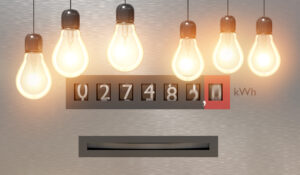
Australia, watch for the upcoming changes to electricity market offers for 2024. These changes affect the Default Market Offer…

Finding the best energy retailer in Australia for any particular area can feel like quite the chore. For that…

Tier 1 energy providers are Australia’s largest energy retailers. Although there are only three of them, they comprise almost…

ABN: 66 168 166 667
Cheapbills
Finance
Broadband
Important
Connect With Us
© 2023 All Rights Reserved by CheapBills.com.au